|
Hi Reader,
This month we kept writing about what happens when enterprise systems meet duplication, lag, and shared ownership: retries that invent truth, write paths that must survive "twice," CRUD that cannot carry workflow, sync calls that couple your timeline to someone else's, eventual consistency as an honest design choice, and shared databases that look like shortcuts until release day.
This month
|
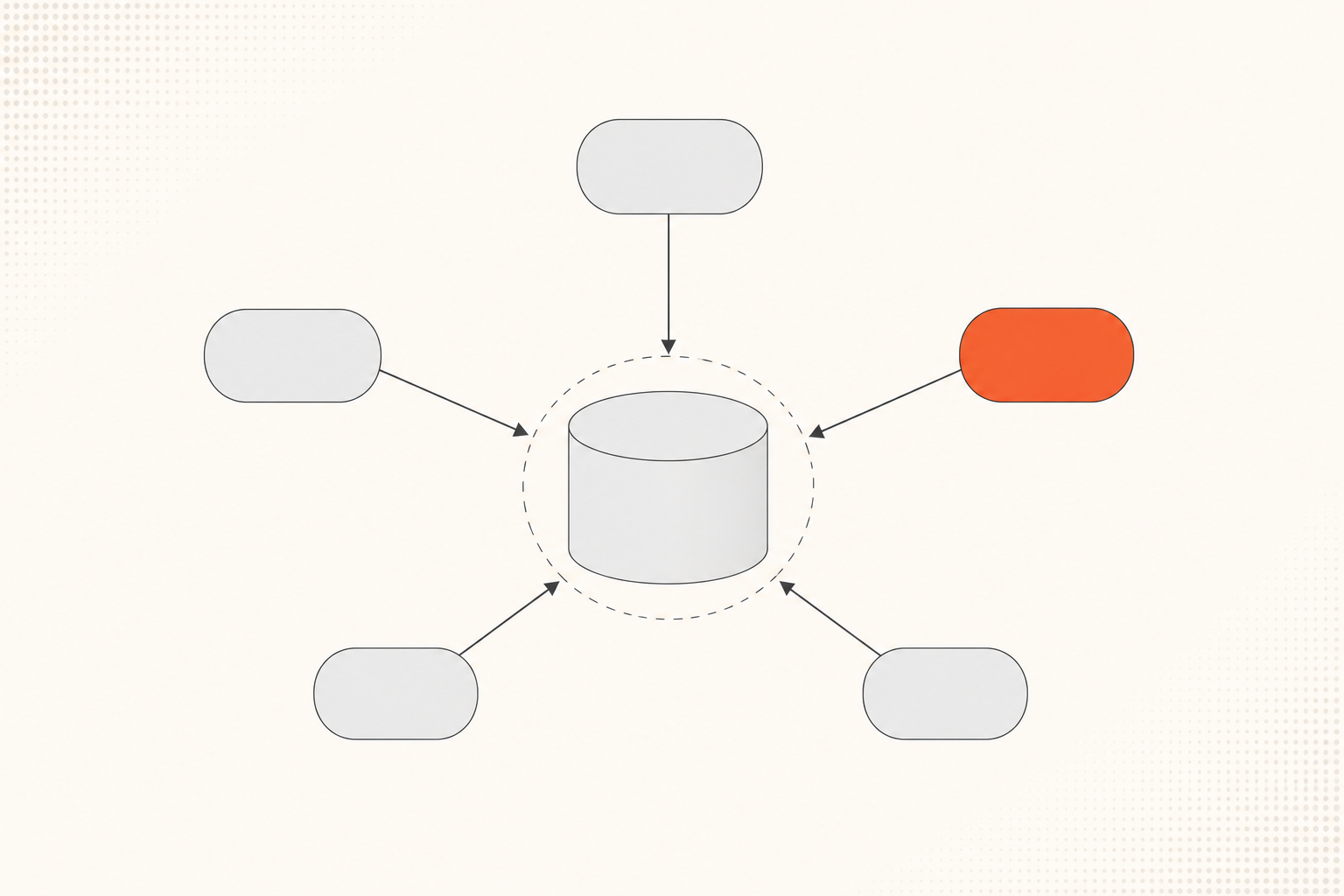
The Problem with Shared Databases A shared database looks like integration without the hard parts. In production it quietly couples ownership, releases, and failure modes. Architecture Files #10. Read → |
|
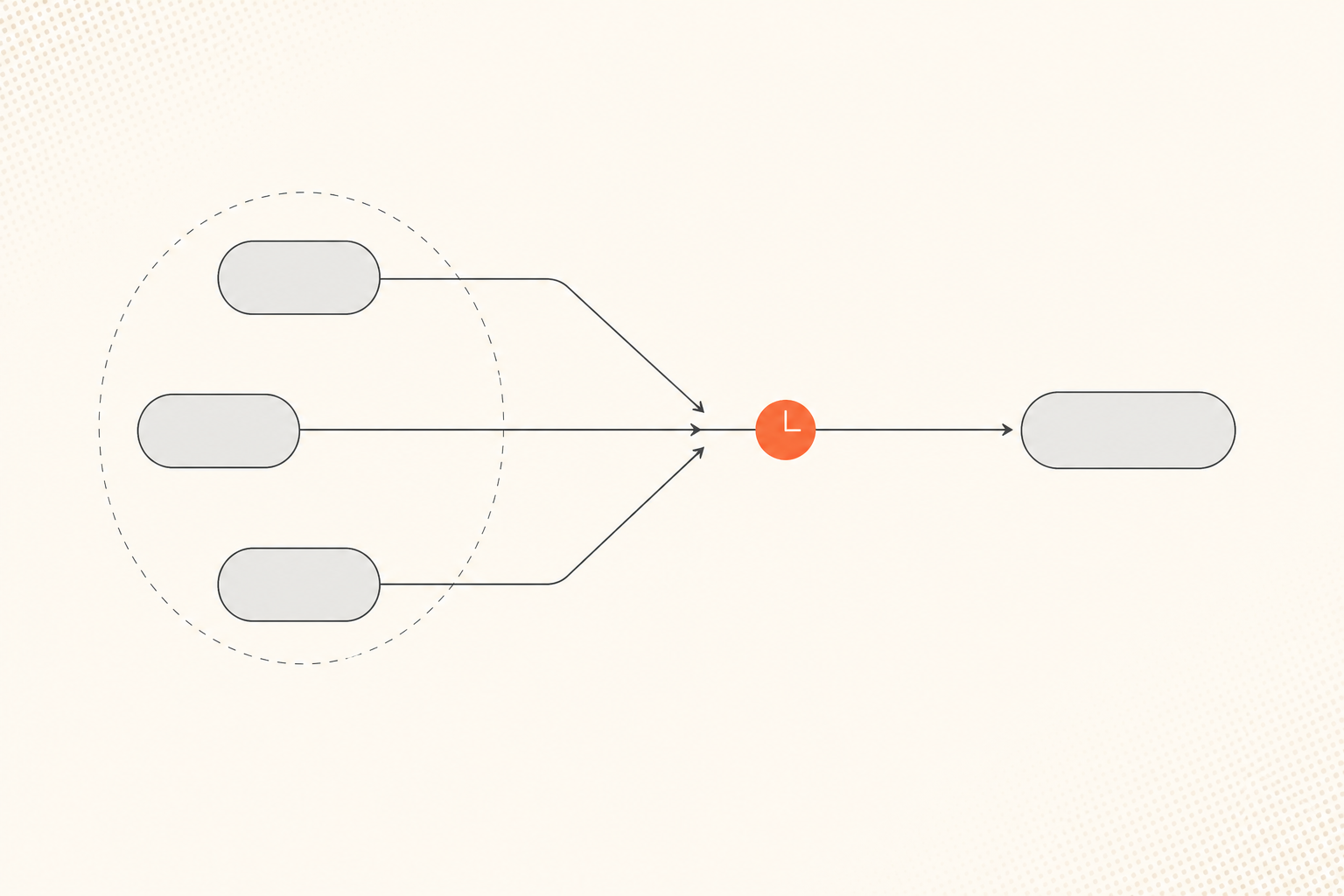
Why Eventual Consistency Is Usually Correct Strong consistency everywhere is often a wish. Eventual consistency with named bounds is usually how enterprise software actually stays honest. Read → |
|
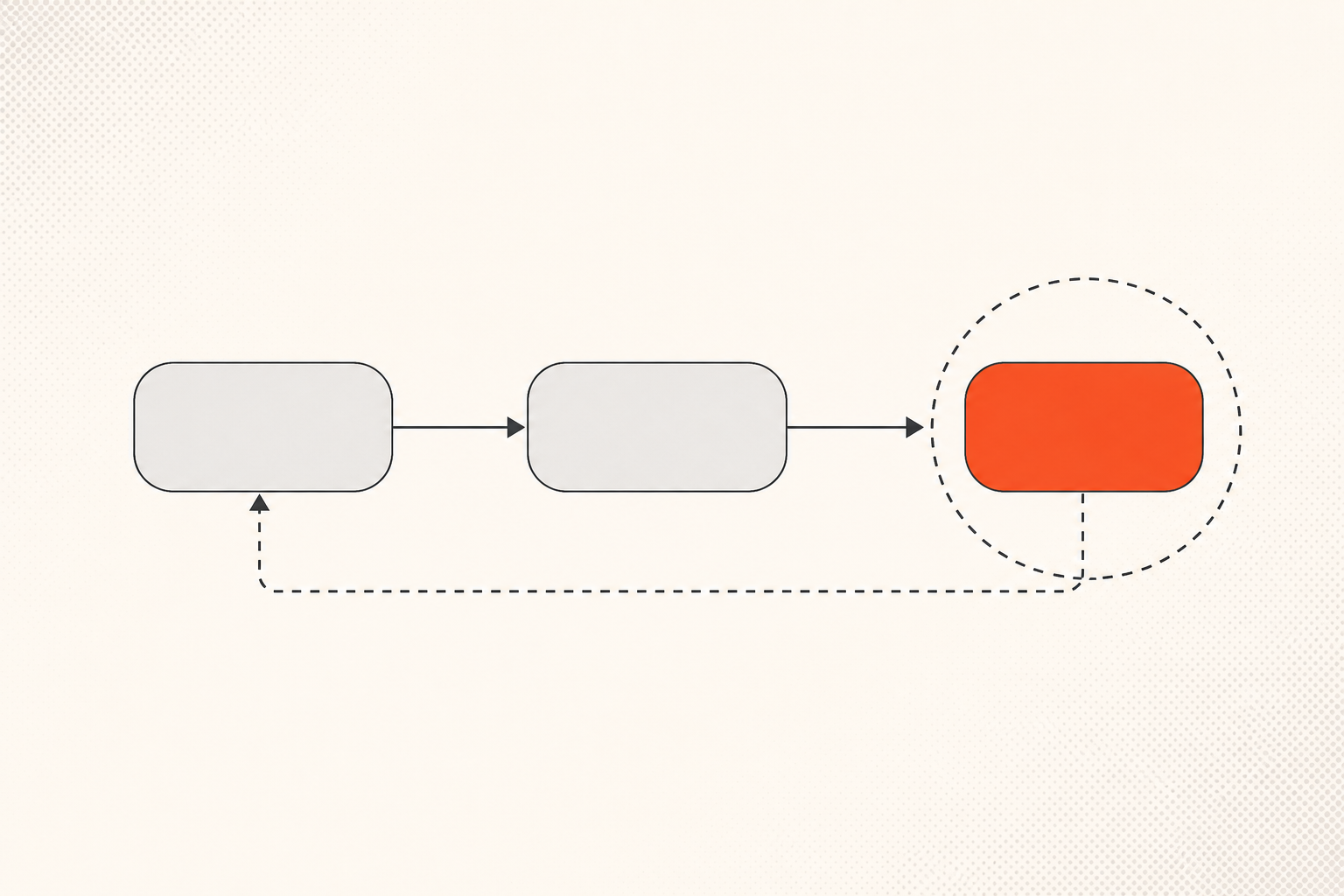
The Hidden Cost of Synchronous APIs Synchronous APIs look simple until your product's latency and availability become whoever answers the other end of the wire. Production Notes #08. Read → |
|
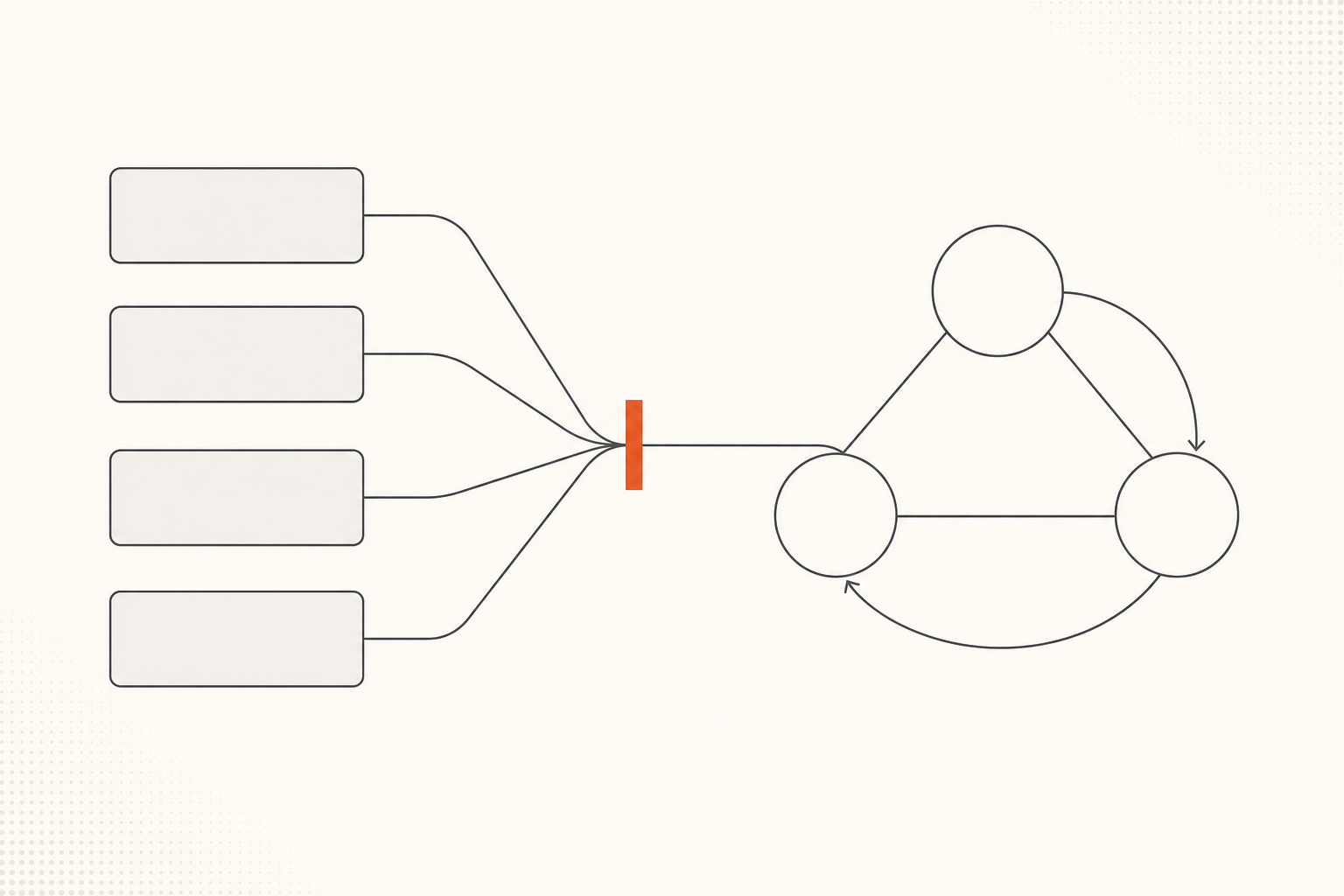
Why CRUD Stops Scaling Before Databases Do Production Notes #07. CRUD looks like a clean product model until workflows, side effects, and ownership show up. Databases are rarely the bottleneck. The create-read-update-delete assumption is. Read → |
|
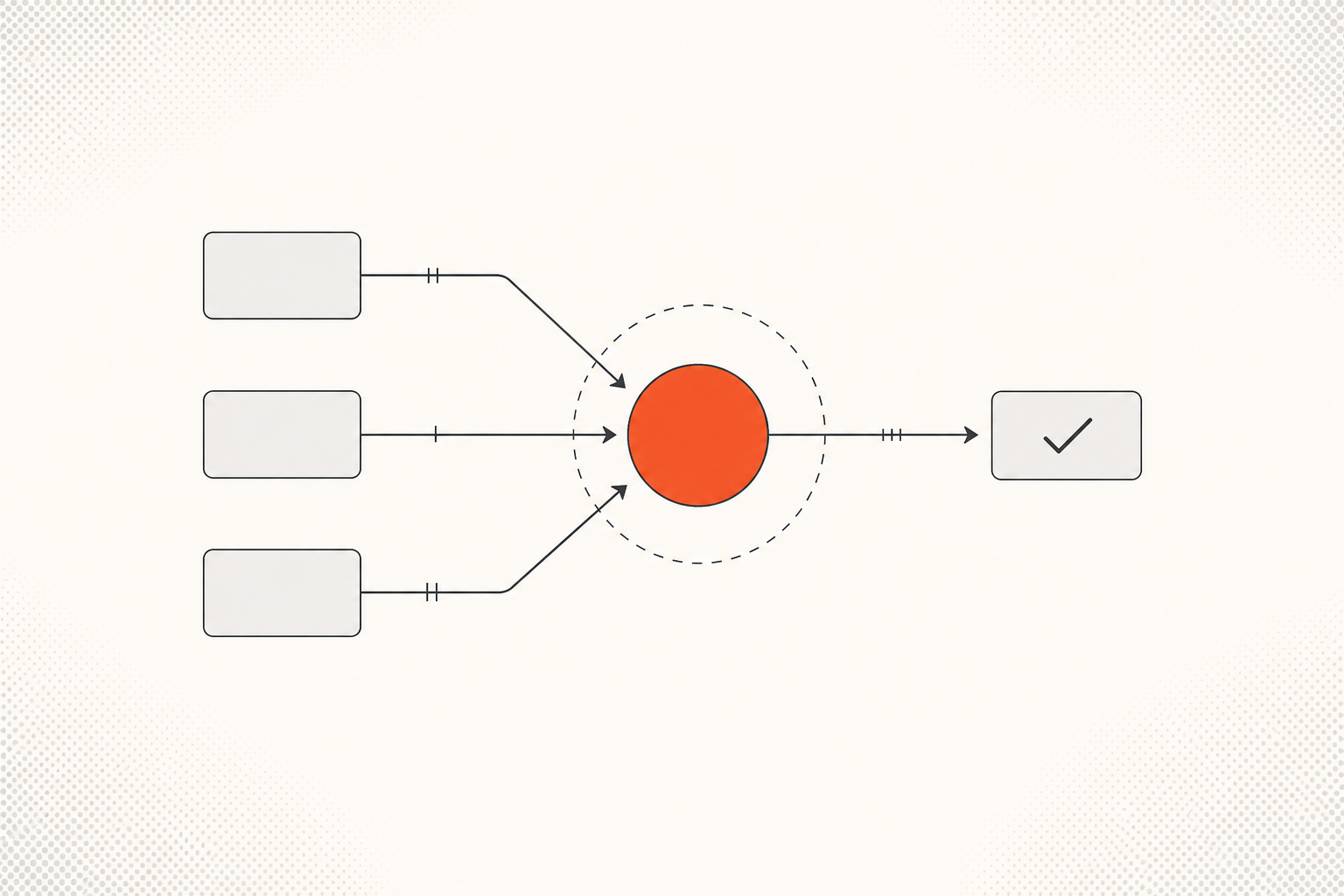
Idempotency Is the Unsung Hero of Enterprise Software Idempotency decides whether "twice" is safe. Production Notes #06 on making duplicates harmless before retries, webhooks, and humans force the question. Read → |
|
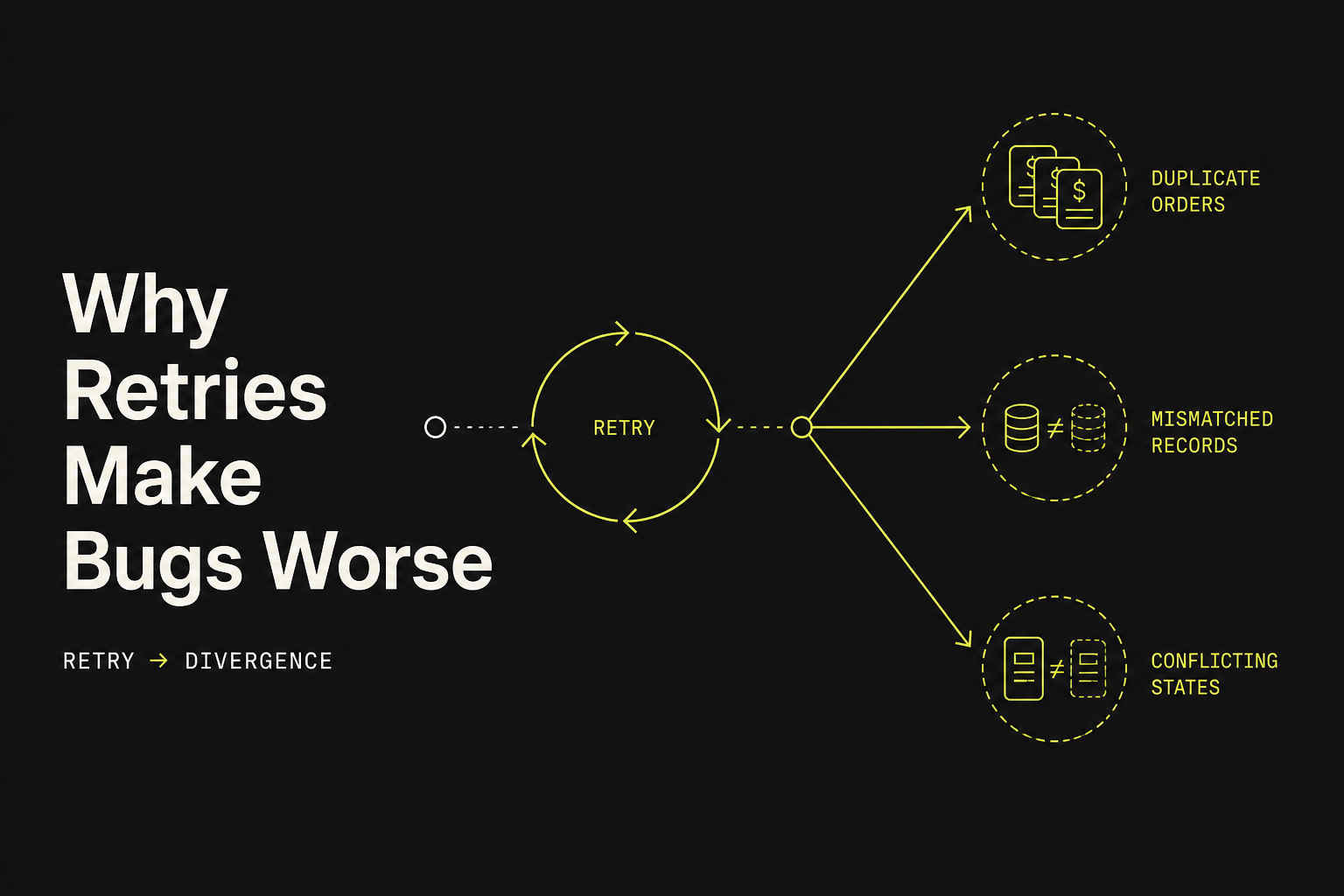
Production Notes #05. Retries feel like free reliability. In production they often duplicate side effects, amplify stale state, and turn a timeout into a reconciliation project. Read → |
|
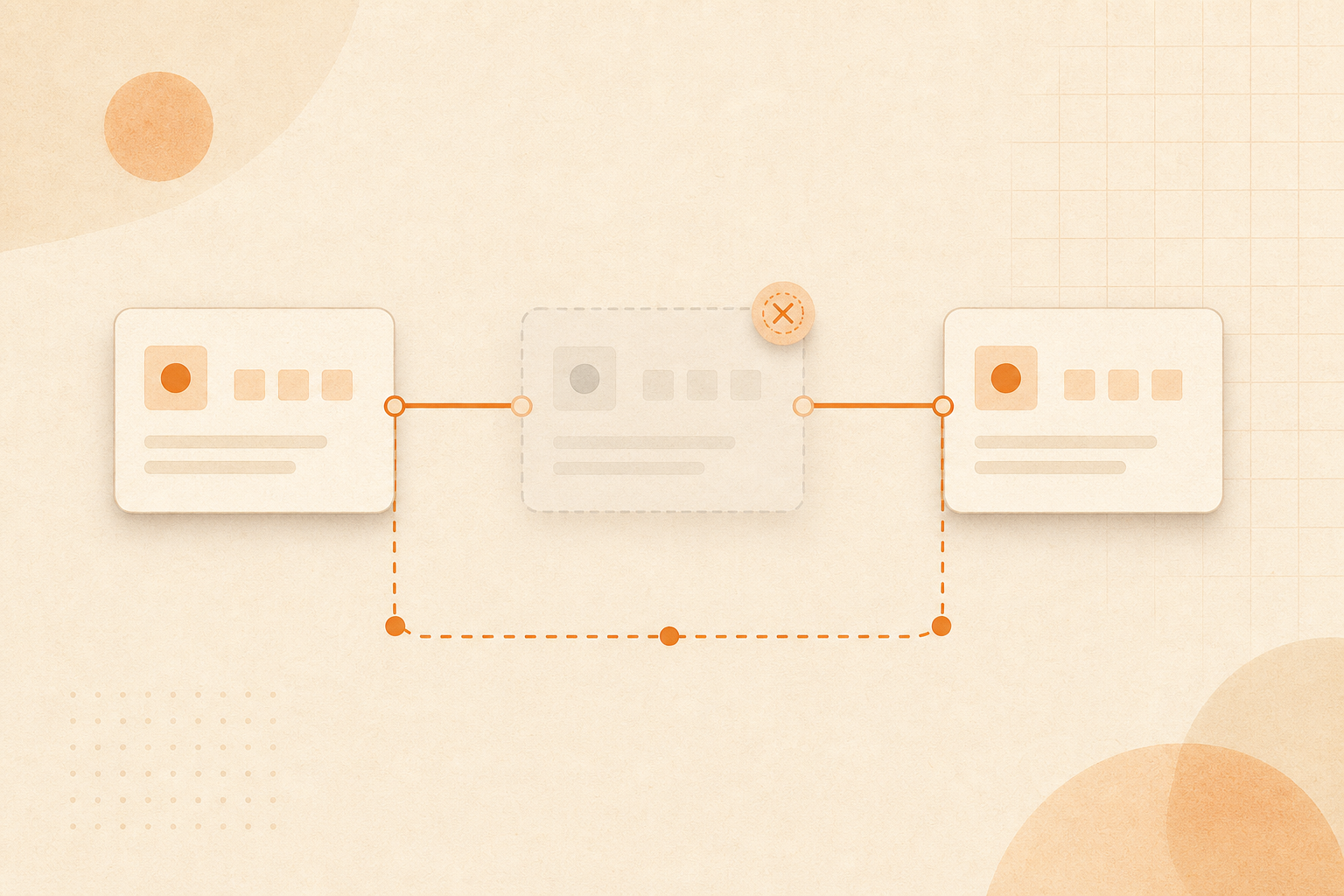
Designing Software for Partial Failure Enterprise software fails in pieces, not all at once. Design for brownouts — not only for the outage that never comes. Read → |
|
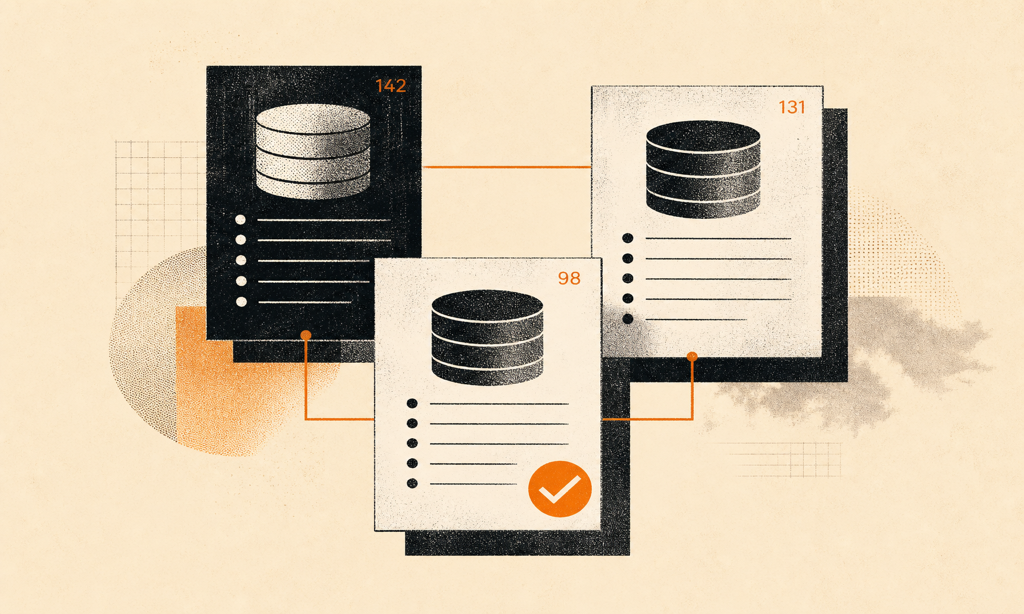
The Myth of a Single Source of Truth Every enterprise eventually demands one source of truth. What they need instead is clarity about who owns which version of reality — and when. Read → |

|
Every Integration Is a Distributed System We call them integrations. Each one is another system with its own timing, failures, and version of the truth — whether we design for it or not. Read → |
|
In practice Planning a consolidation on a live platform? The thread across these pieces: production-grade delivery starts by naming what "once," "owned," and "safe under failure" mean before the first incident forces the question.
|
Neeraj
Quick Brown Fox
Also published in Binary and Beyond on LinkedIn.
|
quickbrownfox.io [email protected] Quick Brown Fox C2, Sector 1, Noida Uttar Pradesh 201301, India If you no longer wish to receive emails from Quick Brown Fox, you may unsubscribe at any time. Copyright © 2026, Quick Brown Fox. |